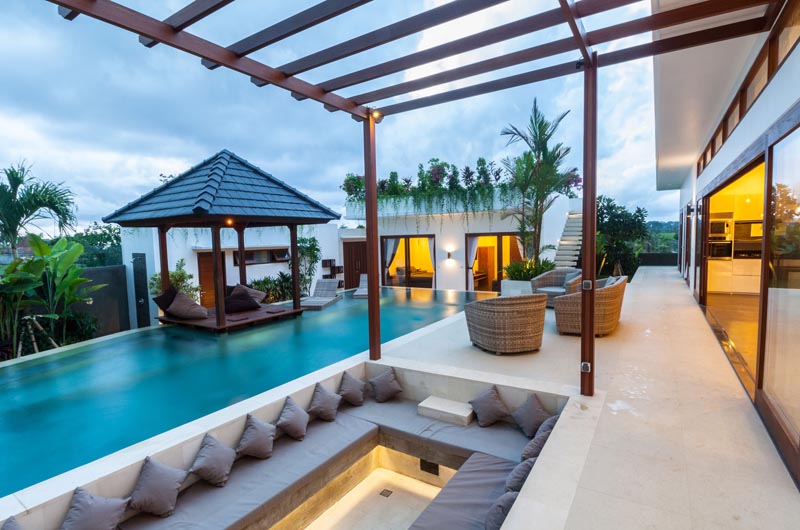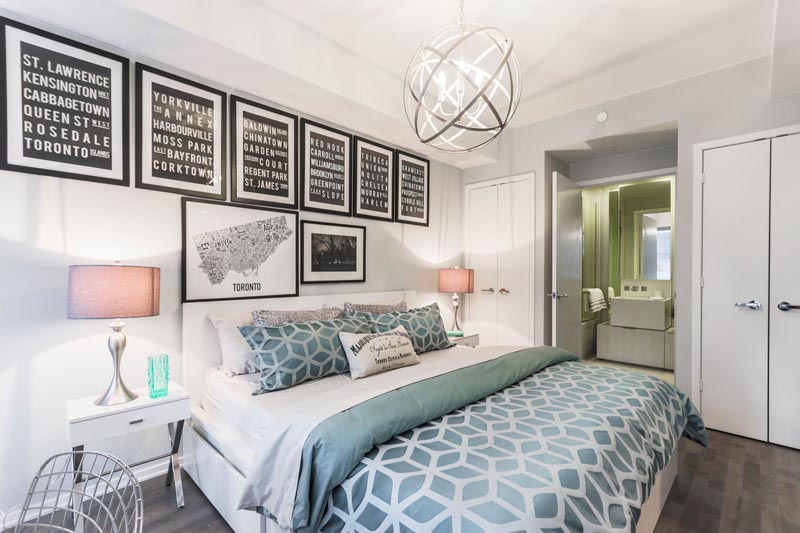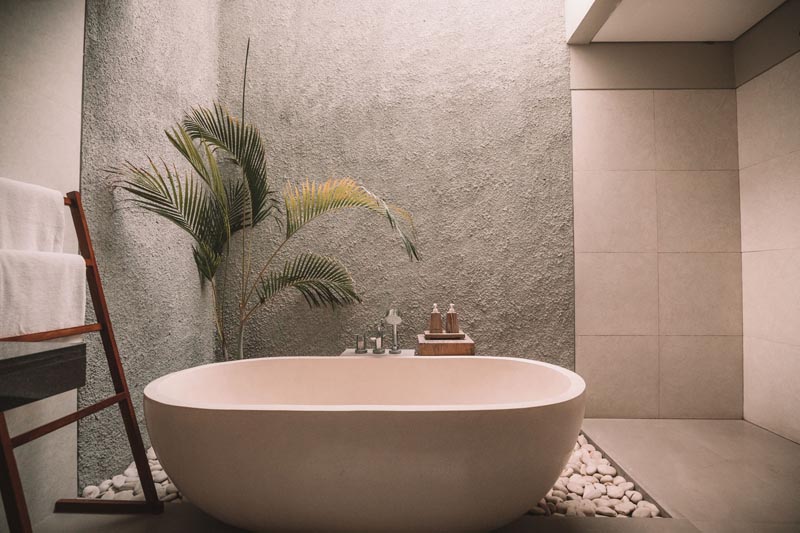
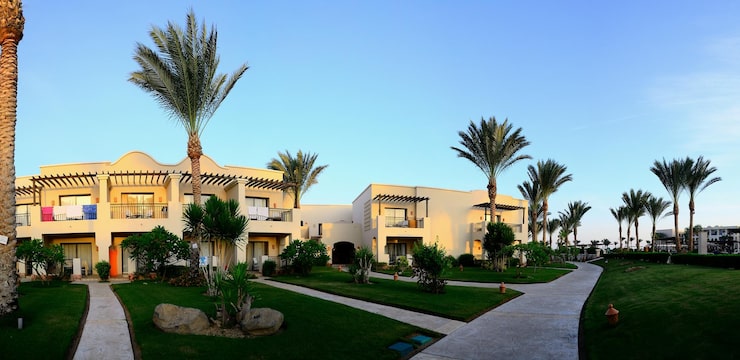
In the golden corridors of Emirates Hills and the sun-drenched fronds of Palm Jumeirah, a quiet revolution is taking place. The era of “gold-plated everything” is yielding to a more sophisticated, understated aesthetic: the bespoke sanctuary. For the UAE’s business elite, the home is no longer a stage for opulence alone—it is a multidimensional ecosystem designed to serve, protect, and inspire. What was once a secondary residence, acquired for tax efficiency or seasonal retreat, has transformed into a deeply personal primary base—an anchor of identity, legacy, and intentional living.
This evolution reflects a broader global shift among high-net-worth individuals (HNIs), but in the UAE, it carries a unique intensity. The region’s rapid development, coupled with its position as a nexus for global capital, has accelerated a rethinking of luxury itself. Today’s affluent homeowner is less concerned with spectacle and more focused on meaning—how a space feels, how it functions, and how it endures.
From Display to Design Philosophy
The early 2000s defined luxury in the UAE through scale and spectacle. Mansions boasted imported marble from Italy, chandeliers from France, and finishes designed to impress at first glance. These homes were aspirational, often mirroring a globalized notion of wealth—grand, ornate, and instantly recognizable.
But the new generation of homeowners—many of whom are self-made entrepreneurs, tech founders, or global investors—are rewriting the script. Their tastes are informed not just by wealth, but by exposure. They have lived in London townhouses, New York penthouses, and Tokyo minimalistic retreats. They seek coherence over clutter, craftsmanship over excess, and narrative over noise.
The result is a new architectural language: restrained, intentional, and deeply personal. Clean lines replace gilded edges. Natural materials—stone, wood, and glass—take precedence over synthetic gloss. Spaces are designed not just to be seen, but to be experienced.
Biophilic Integration: Nature as a Design Partner
Perhaps the most striking shift in UAE residential design is the embrace of biophilic principles—the integration of natural elements into built environments. In a landscape defined by desert and skyline, this might seem counterintuitive. Yet, it is precisely this contrast that makes the trend so compelling.
For many CEOs and global executives, the home has become a refuge from the intensity of corporate life. Biophilic design offers a way to reconnect with nature without leaving the comfort of one’s residence. Glass-walled villas now open onto internal courtyards filled with native flora. Vertical gardens climb interior walls, while water features introduce a sense of calm through sound and movement.
Architects are going beyond aesthetics, incorporating environmental psychology into their designs. Studies have shown that exposure to natural elements can reduce stress, improve cognitive function, and enhance overall well-being. In response, homeowners are investing heavily in creating environments that promote mental clarity and physical health.
In some properties, entire ecosystems are being recreated. Desert-inspired landscapes are curated within the confines of a villa, complete with sand textures, drought-resistant plants, and ambient lighting that mimics the shifting tones of sunset. These spaces are not merely decorative—they are immersive, designed to ground the occupant in a sense of place.
The Digital Fortress: Security in the Age of Connectivity
As homes become smarter, they also become more vulnerable. The integration of advanced technology—while enhancing convenience—introduces new risks. For the UAE’s elite, whose lives often intersect with high-stakes business and global visibility, security is paramount.
Enter the digital fortress.
Modern luxury homes in the UAE are now equipped with Grade-A cybersecurity systems that rival those of corporate headquarters. These systems are seamlessly integrated into home automation platforms, ensuring that every connected device—from lighting and climate control to surveillance and access points—is protected.
Biometric authentication has become standard, with fingerprint and facial recognition systems controlling entry to both the property and specific rooms within it. Encrypted networks safeguard communication, while AI-driven monitoring systems detect and respond to anomalies in real time.
But security is not limited to the digital realm. Physical design elements are also evolving. Hidden panic rooms, reinforced structures, and discreet surveillance systems are being incorporated into the architectural blueprint. The goal is to create an environment that feels open and inviting, yet is fortified against intrusion.
What distinguishes this new approach is its invisibility. Unlike traditional security measures, which often disrupt the aesthetic of a home, today’s systems are designed to be unobtrusive. Technology is embedded, not displayed—an integral part of the living experience rather than an add-on.
The Private Museum: Living with Art
Another defining feature of the bespoke sanctuary is the elevation of art from decoration to foundation. For many collectors in the UAE, the home is no longer a place to display art—it is a space designed around it.
This shift reflects a deeper engagement with art as a form of identity and expression. Rather than acquiring pieces to match an existing interior, homeowners are commissioning architects and designers to create environments that complement and enhance specific works.
A single painting or sculpture can dictate the layout of an entire room. Lighting is meticulously calibrated to highlight texture and color. Walls are constructed with precise dimensions to frame a piece perfectly. In some cases, climate-controlled galleries are integrated into the home, ensuring that valuable artworks are preserved under optimal conditions.
This approach transforms the home into a curated experience—a living gallery that evolves over time. It also reflects a growing sophistication among collectors, who are increasingly interested in provenance, narrative, and cultural significance.
Art becomes more than an asset; it becomes a dialogue. Each piece tells a story, and the home provides the context in which that story unfolds.
Wellness as a Core Function Beyond aesthetics and security, the modern UAE residence is deeply invested in wellness. The pandemic accelerated a global reevaluation of health, and in the UAE, this has translated into a surge in wellness-centric design.
Private gyms, once considered a luxury, are now essential. But they are no longer limited to basic equipment. Today’s home gyms rival professional facilities, featuring advanced training systems, recovery zones, and even virtual coaching interfaces.
Spa-like bathrooms, complete with steam rooms, saunas, and cold plunge pools, are becoming standard. Air and water purification systems ensure that the internal environment is as clean and healthy as possible. Circadian lighting systems adjust throughout the day to support natural sleep cycles.
Mental wellness is also a priority. Meditation rooms, soundproofed libraries, and digital detox zones are being incorporated into the home’s layout. These spaces offer a retreat from the constant connectivity of modern life—a place to disconnect and recharge.
The Home as a Legacy
Ultimately, the evolution of the UAE primary residence is about more than design—it is about legacy. For many HNIs, the home represents a culmination of success, a tangible expression of values and vision.
This is particularly evident in the emphasis on customization. No two bespoke sanctuaries are alike. Each is a reflection of its owner’s journey, preferences, and aspirations. From the materials used to the layout of the space, every detail is considered and intentional.
Sustainability is also becoming a key component of this legacy. Solar energy systems, water recycling technologies, and eco-friendly materials are being integrated into high-end properties. These features not only reduce environmental impact but also signal a commitment to responsible living.
In a region known for its rapid transformation, the bespoke sanctuary offers a sense of permanence. It is a space designed not just for the present, but for the future—a home that can be passed down, adapted, and cherished across generations.
A New Definition of Luxury
The transformation of the UAE’s residential landscape signals a broader redefinition of luxury. It is no longer about abundance, but about alignment. The most valuable homes are not those that shout the loudest, but those that resonate the deepest.
In this new paradigm, luxury is measured by how well a space serves its inhabitants—how it supports their lifestyle, enhances their well-being, and reflects their identity. It is about creating an environment that is not only beautiful, but meaningful.
As the UAE continues to attract global talent and capital, this trend is likely to accelerate. The bespoke sanctuary is not a passing phase—it is the future of high-end living.
And in the quiet elegance of these thoughtfully designed homes, a new story of luxury is being written—one that is as much about introspection as it is about inspiration.