

For decades, the global art world’s center of gravity was firmly anchored in the galleries of New York, London, and Paris. But as we navigate 2026, a seismic shift has occurred. The UAE has transitioned from being a prolific consumer of global culture to a primary architect of it. For the high-net-worth individual (HNI) and the visionary business owner, art is no longer a peripheral hobby or a simple wall-filler for a new penthouse. It has become Sovereign Patronage. At TLH-Life.com, we explore how the UAE’s business elite are using art to build personal legacies, diversify portfolios with “Alpha” assets, and engage in the high-stakes world of cultural diplomacy.
The Evolution of the Collector: Beyond the Blue-Chip
In the early 2010s, the UAE’s elite collectors often focused on “safe” Western blue-chip names—Warhols, Picassos, and Hirsts. Today, the 2026 collector is far more discerning and strategically local. There is a profound movement toward Middle Eastern Modernism and contemporary Emirati works.
This isn’t just a matter of regional pride; it is a sophisticated investment play. As institutions like the Louvre Abu Dhabi and the upcoming Guggenheim Abu Dhabi solidify the region’s status, the valuation of Middle Eastern masters has seen a steady, institutionally-backed climb. For the business leader, being a “Sovereign Patron” means identifying these cultural assets before they reach their global price ceiling.
The Art of the “Vertical Majlis”
In the UAE, culture is a social lubricant. The most important business conversations of the winter season often happen not in a boardroom, but in the VIP lounges of Art Dubai or during a private tour of a foundation in Alserkal Avenue.
For the TLH-Life audience, art provides a unique “Neutral Ground.” It allows for high-level networking with international counterparts, royals, and diplomats under the guise of cultural appreciation. This is the “Vertical Majlis”—a space where a shared interest in a rare calligraphy piece or a large-scale installation can bridge the gap between a local family office and a Silicon Valley venture capitalist.
Art as a Diversified “Alpha” Asset
In a volatile global market, the “Passion Investment” has proven remarkably resilient. In 2026, art is treated with the same analytical rigor as a private equity deal. HNIs are leveraging:
Art-Collateralized Lending: Using high-value collections to unlock liquidity for new business ventures without selling the underlying asset.
Fractional Ownership: The rise of blockchain-backed art platforms in the DIFC has allowed business owners to take positions in multi-million dollar masterpieces with the transparency of a stock trade.
Estate Planning: Using art foundations to manage the “Soft Assets” of a family office, ensuring that a legacy is preserved for generations in a tax-efficient, prestigious format.
The Rise of “Phygital” Culture
The UAE is a global leader in the digital frontier, and its art scene reflects this. We are seeing the maturity of “Phygital” (Physical + Digital) art. The TLH-Life reader is no longer looking at simple NFTs; they are investing in immersive, AI-driven installations that live in both the digital cloud and their physical corporate headquarters.
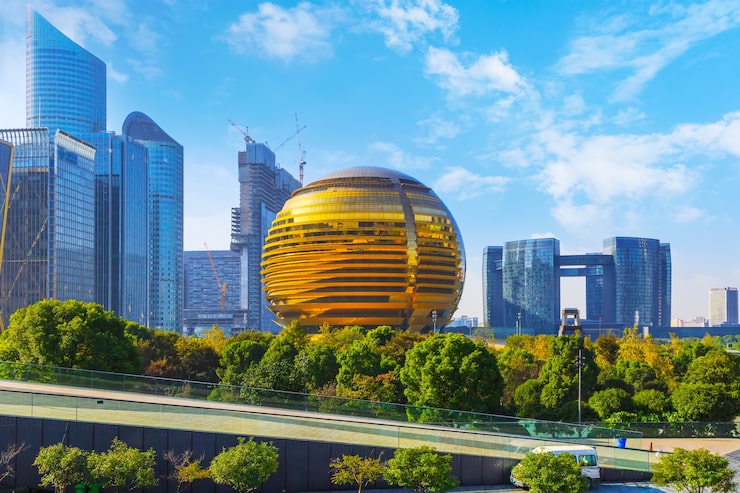
Galleries like the Theatre of Digital Art (ToDA) are pioneers, but the real growth is in private, bespoke digital commissions. Imagine a lobby in a DIFC tower where the art changes in real-time based on global stock market movements or the shifting tides of the Arabian Gulf—this is the intersection of tech-fluency and cultural prestige.
Patronage as Public Diplomacy
For the UAE business owner, supporting the arts is a form of “Soft Power.” By funding a pavilion at the Venice Biennale or supporting local grass-roots galleries like Carbon 12 or Grey Noise, entrepreneurs are aligning their personal brand with the nation’s vision.
This patronage creates a “Halo Effect” for their businesses. A company led by a recognized art patron is often viewed as more stable, visionary, and integrated into the fabric of society. It signals that the leader is thinking in decades and centuries, not just quarterly cycles.
How to Navigate the 2026 Season
For the elite business leader, the 2026 cultural calendar is a strategic roadmap. Key focus areas include:
The Sharjah Biennial: The intellectual heart of the regional scene, where the most serious collectors identify emerging talent.
DIFC Art Nights: The perfect blend of corporate prestige and cultural discovery.
Private Foundation Tours: Gaining entry to the private collections of the UAE’s most influential families is the ultimate “insider” experience.
Conclusion: Painting the Future
Art is the ultimate expression of a successful civilization. By transitioning from a spectator to a sovereign patron, the UAE’s business leadership is not just buying beauty; they are architecting the identity of the future.
At tlh-life.com, we remain your curator of these elite experiences, ensuring that your cultural portfolio is as robust and visionary as your business empire.
